
Table of Contents
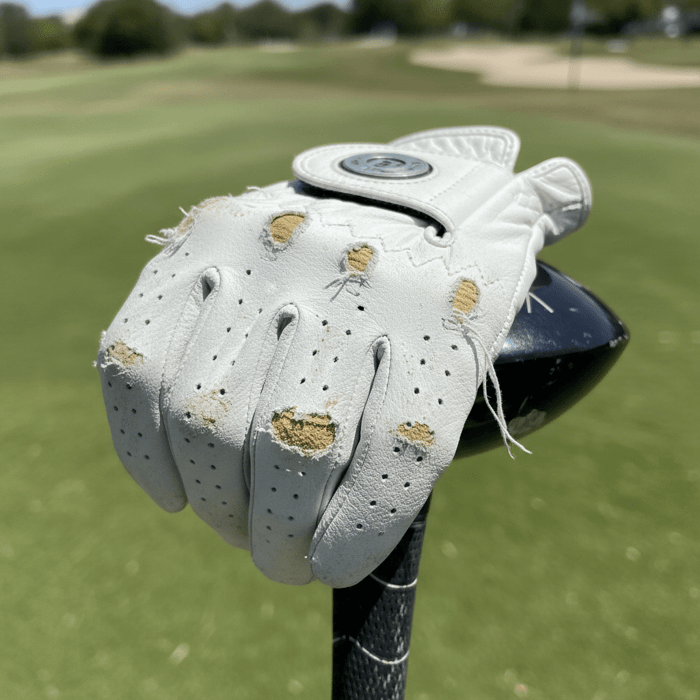
If you’re like most golfers, you’ve been there: You hit the sweet spot on your drive, you’re feeling good, but then you adjust your grip and feel that familiar, irritating split in the palm of your glove. You peel it off, shake your head, and realize you just lost another twenty or thirty bucks to the golf gods.
It feels like you’re constantly cycling through gloves, doesn't it? It’s one of golf's most annoying, yet totally accepted, expenses.
But here’s the thing: It’s probably not entirely your fault. The problem often lies less in how many rounds you play and more in the unseen enemies attacking the materials—and a few simple mistakes you might be making after the final putt drops.
I’ve been studying grip materials and glove longevity for years, and I’m ready to share the true reasons your gloves fail and the specific steps you need to take to fight back. You’re about to learn how to easily double the life of your handwear.
The Root Cause: Why Your Glove Breaks Down
Before we talk about fixes, we have to understand the attack. Glove degradation isn't just "wear and tear." It’s a combination of chemistry, biomechanics, and environmental exposure.
Here are the seven primary culprits:
1. The Force of Your Grip
When you hold a club, you're putting immense pressure on specific parts of your hand, mainly the heel of the palm and the index finger. Every single swing involves repeated stretching, twisting, and compressing.
If the glove is even slightly loose or shifts while you swing, that friction instantly starts thinning the fibers. This is why you see holes first appearing in those high-pressure, high-friction zones.
2. The Salt Attack from Sweat
This is the number one killer of leather gloves, period.
Your sweat isn't just water. It contains salts, body oils, and acids. When these get absorbed into traditional leather, they strip away the essential tanning agents that keep the material soft and pliable.
The result? The glove feels stiff, crusty, and brittle after it dries. It loses its natural stretch, making it prone to immediate cracking the next time you try to wrap it around a grip.
3. Too Much Sun and Heat
Think of your glove as sensitive skin. Prolonged time in direct sun, especially when wet, bombards the materials with UV rays. These rays break down the polymer chains in synthetics and weaken the fibrous structure of leather, basically fast-forwarding the aging process.
4. The Quick-Dry Disaster
We’ve all done it: Tossing a wet glove onto a dashboard, a radiator, or leaving it by a vent to "dry fast."
High heat is absolutely the worst thing you can do to a golf glove. It pulls moisture out too quickly, making the leather fibers contract violently. This creates tiny, internal cracks that guarantee the glove will feel stiff and tear much sooner.
5. Storing It in the Bag Ball
Be honest: How often do you just peel off a damp glove and jam it into a tight pocket with your balls, tees, and ball markers?
A balled-up, damp glove in a dark, sealed pocket traps the sweat and encourages bacteria growth (hello, stink!). This keeps the corrosive chemicals active in the fibers for longer, ensuring maximum stiffness and minimal life.
6. The Leather vs. Synthetic Trade-Off
Traditional gloves force you into a frustrating choice:
Cabretta Leather: Feels amazing and offers great touch, but it’s highly susceptible to sweat corrosion and stiffness.
Traditional Synthetics: Offers better tear resistance, but often lacks feel and can lose its grip or start pilling.
You sacrifice longevity either way.
7. Choking the Club
If you’re gripping the club tighter than necessary, you’re stressing the glove (and your forearms!) far too much. This excess pressure guarantees the material will fail prematurely in the palm and fingers.
Pro Tip: Your grip should feel firm, not strangling. Imagine holding a tube of toothpaste: firm enough not to drop it, but relaxed enough not to squeeze any paste out.
The Path to Preservation: Smart Maintenance
If you start applying these simple, expert-level routines, you’ll be amazed at how much life you can squeeze out of your gloves.
The Rotation Rule is a Game Changer
This is the single most effective tip.
Start rotating between 2 or 3 gloves during your round. As soon as a glove starts to feel damp from humidity or sweat, switch it out. This gives the saturated glove a chance to fully dry out and recover its natural flexibility. Your gloves will last exponentially longer as a set.
How to Properly Wash Your Golf Glove
Yes, you can and should clean your gloves to remove those corrosive salts.
Preparation: Get some lukewarm water. Add just a tiny drop of gentle, non-detergent soap (like baby wash).
Soak and Knead: Submerge the glove. Gently work the material with your fingers to loosen dirt and sweat. Don't aggressively scrub.
Crucial Rinse: Rinse the glove thoroughly under clean running water until the water runs perfectly clear. Any leftover soap residue will cause stiffness.
The Right Way to Dry
This step separates the pros from the glove-killers.
No Heat, No Wringing: Gently squeeze out excess water, but absolutely do not twist or hang the glove.
Dry Flat: Lay the glove flat on a towel or a ventilated surface.
Hold the Shape: If you use a glove shaper, put it in now. Otherwise, manually flatten the glove to its original shape.
Shade Only: Always air dry in a cool, shady spot, far away from direct sunlight, vents, or heating elements.
Storage Protocol After the Round
Always take the glove out of your golf bag when you get home. Flatten it out and store it in a cool, dry place. Using the original plastic sleeve or a breathable glove bag works wonders for keeping it ready for your next tee time.
The Smart Fix: Choosing Engineered Durability
Maintenance is crucial, but it only buys time. If you want maximum life and consistent performance, you have to choose a glove designed to overcome those core material failures.
The Limits of Traditional Materials
Even with perfect care, leather is always going to stiffen from sweat. Synthetics will still break down from friction and sun. You eventually hit a ceiling on durability.
Why Copper Tech is Built to Last
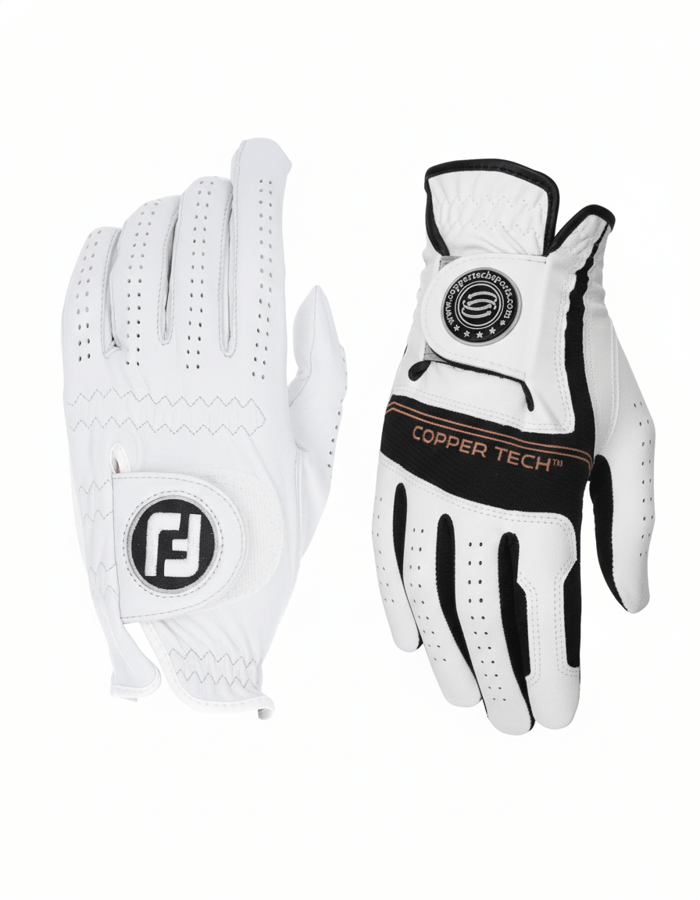
Copper Tech Golf Gloves were engineered specifically to solve the problems that plague traditional gloves.
Engineered Strength: The material is designed to handle high flex and friction better than standard synthetic or leather blends.
Stiff-Resistant: These gloves are built to resist the stiffening effects of sweat and moisture, so they maintain that tacky, reliable grip round after round, no matter the weather.
Consistent Value: Because they last longer and perform better in various conditions, you’ll be replacing them less often and enjoying more consistent play.
When you look at the total cost over the season, investing in an engineered, durable glove makes smart financial sense. You’re not just saving money; you’re eliminating equipment anxiety.
It’s time to stop worrying about your gear. Discover the Copper Tech Golf Gloves engineered for unmatched durability and performance.
Your New Transformation: Total Confidence
By applying these expert maintenance tips and choosing a glove built for the long haul, you achieve the ultimate goal: effortless confidence on every swing.
You get to focus entirely on your game, not on a slipping grip or a tear in the palm. You save money, maintain control, and ensure your equipment supports your potential, instead of sabotaging it.
Ready to play a full season with reliable gear?
See why thousands of dedicated golfers rely on Copper Tech for the consistent, long-lasting grip they need to shoot their lowest scores.